OpenClaw v2026.7.1 Update: Control UI Overhaul and GPT-5.6 Support
OpenClaw v2026.7.1 introduces a redesigned Control UI, support for GPT-5.6 and Tencent Hy3, and enhanced usage analytics for agent management.
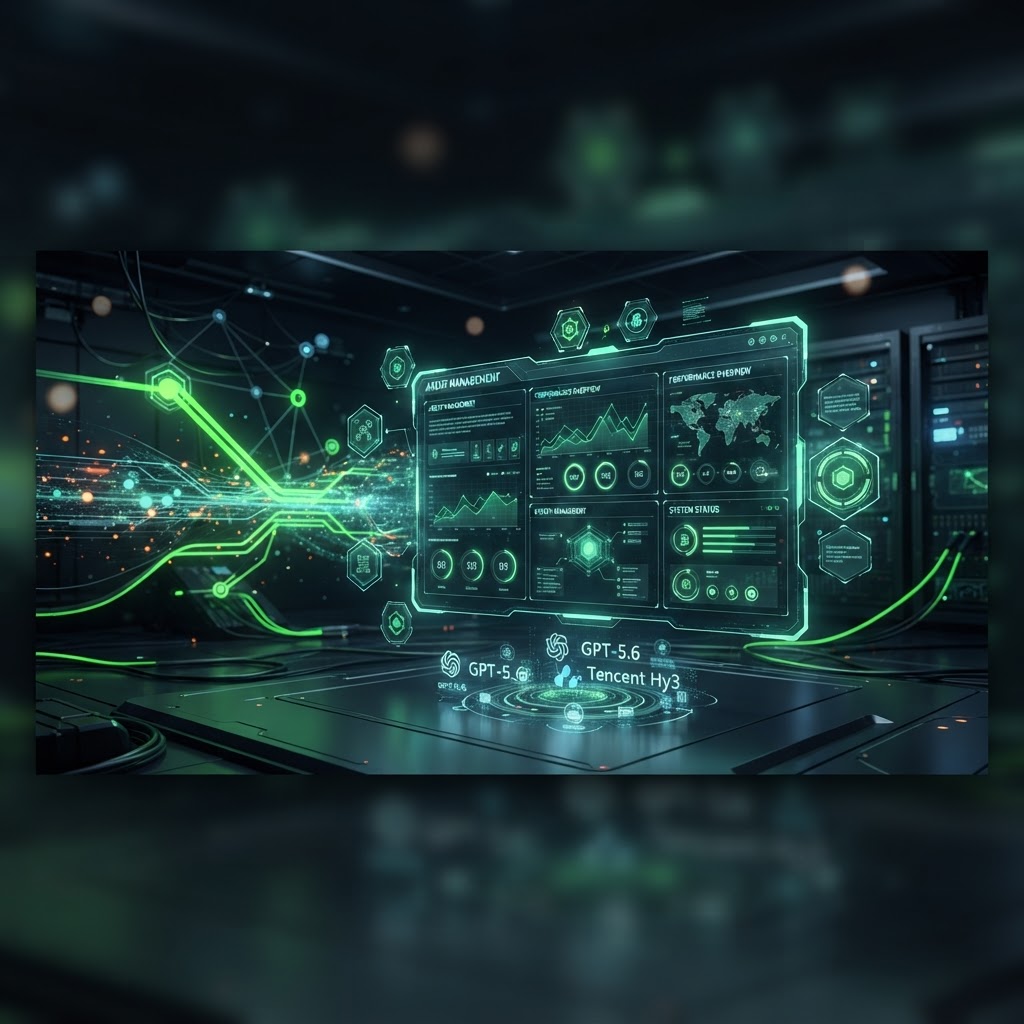
The OpenClaw v2026.7.1 update introduces a multitasking-optimized Control UI and expanded model support.
- A significant Control UI redesign introduces resizable multi-session panes and a live Tasks view.
- Support expanded for new models including GPT-5.6 compatibility, Tencent Hy3, and Meta Muse Spark 1.1.
- New usage analytics provide granular tracking of tokens, costs, and provider-reported billing data.
- Native mobile and desktop applications received updates for better pairing and responsive layouts.
OpenClaw Release v2026.7.1: Architecture and Interface Refinements
The OpenClaw project has released version 2026.7.1, a significant update focusing on the administrative interface, model compatibility, and cross-platform stability. Released on July 13, 2026, this version addresses several long-standing requests regarding multitasking within the Control UI and provides deeper integration with emerging large language models. The update also stabilizes workflows for connected coding agents and expands the analytics suite for resource management.
Centralized Workspace and Multi-Session Management
The most prominent change in v2026.7.1 is the complete overhaul of the Control UI. The interface now functions as a unified browser workspace designed for parallel operations. Users can now manage multiple chat sessions within a single view using resizable panes that persist across page reloads. This eliminates the need for managing multiple browser tabs when interacting with different agents or workflows. Drag-and-drop functionality has been added to allow operators to reposition sessions, creating custom split-screen layouts.
To support this more complex workspace, the session sidebar was redesigned to focus on navigation and organization. Sessions can now be pinned, grouped into custom categories, and forked for experimentation. The system also tracks read and unread status across sessions. A new live Tasks page allows for real-time inspection of background work, where operators can monitor, refresh, or cancel queued tasks. This architectural shift from a single-chat focus to a multi-pane environment is intended to better support complex agentic workflows where multiple tasks occur simultaneously.
Enhanced Model Support and Provider Integration
OpenClaw v2026.7.1 introduces compatibility with several new model releases. This includes support for GPT-5.6, as well as Tencent Hy3 and Meta Muse Spark 1.1. The expansion ensures that OpenClaw remains a versatile gateway for different provider ecosystems. Furthermore, the update strengthens Codex and connected coding-agent workflows, which are essential for developers using OpenClaw for automated software maintenance and code generation.
The integration of these models is accompanied by improvements to how OpenClaw handles tool execution and error reporting. In previous versions, internal tool failures could sometimes clutter the chat transcript with error banners even after an assistant had successfully provided a final answer. Version 2026.7.1 addresses this by suppressing non-terminal internal tool errors in the user-facing transcript, resulting in a cleaner output for the end-user. Additionally, for debugging purposes, sessions using full verbose output now display tool inputs and results by default, reducing the manual clicks required for technical audits.
Usage Tracking and Billing Analytics
As AI operations scale, tracking costs and token consumption becomes critical. The updated Usage page in v2026.7.1 provides a detailed breakdown of estimated spend and daily consumption values. The system now aggregates usage data by provider, model, agent, and channel. This view can also incorporate external provider-reported data, including plans, quotas, and balances from services like OpenRouter and Venice.
Specific integrations for Anthropic and OpenAI have been added, allowing administrators to view daily spend, request counts, and billing categories directly within the OpenClaw dashboard. To improve historical accuracy, the daily token and cost charts now include zero-activity days. This ensures that 7-day, 30-day, and 90-day views accurately reflect the full calendar period rather than shrinking the timeline to only show active days. To prevent system slowdowns on large installations, the dashboard now limits concurrent Gateway work when generating large all-agent cost reports, reducing memory pressure.
Cross-Platform and Channel Updates
Native applications for iOS, Android, and macOS have received updates to align with the new Control UI features. Mobile pairing has been simplified through the introduction of QR codes and copyable setup codes generated within the Control UI Nodes section. This allows administrators to quickly connect official mobile apps to their local or cloud-hosted Gateways. The layouts for these apps are now more responsive, ensuring that chat history and controls remain usable across various screen sizes, from mobile phones to large desktop monitors.
Messaging channels including Telegram, Slack, Discord, and Apple Messages also received significant improvements. For instance, operators can now route title generation for Telegram topics and Discord threads through a specialized utility model, ensuring concise and relevant sidebar titles. In the Control UI WebChat, users gained the ability to right-click completed messages to reply with visible quote context, a feature commonly found in modern messaging platforms but previously missing from the integrated web interface.
Enjoyed this?
Get more posts like this delivered to your inbox.